

Biopsychosocial Model of Anxiety is a whole-person way of understanding why anxiety develops, why it can feel different from one person to another, and why there is rarely one simple cause. For a parent watching their child withdraw from school, a patient struggling with constant worry, or an adult wondering whether therapy could help, not knowing why anxiety is happening can be frustrating.
You might wonder whether it is genetic. Is stress responsible? Is it the way you think? Could family, school or work pressures be contributing?
Often, the answer involves several of these factors interacting.
Rather than reducing anxiety to brain chemistry, personality or stressful experiences alone, this model considers three connected areas: biology, psychology and the social environment. Looking at all three can help build a clearer picture of what may be contributing to anxiety and which types of support may be useful.
For a broader overview of this whole-person perspective, you can also explore Internal Sunshine’s guide to understanding anxiety through biological, psychological and social factors.
Table of Contents
- What the biopsychosocial approach means
- Normal anxiety and anxiety that affects everyday life
- Why anxiety rarely has one cause
- Biological influences on anxiety
- Psychological influences on anxiety
- Social and environmental influences
- How these factors work together
- What happens during a biopsychosocial assessment
- How the model can guide therapy
- What parents can look for
- When professional support may help
- Frequently asked questions
What Is the Biopsychosocial Model of Anxiety?
The term biopsychosocial may sound clinical, but its basic idea is easy to understand.
- Biological factors include genetics, temperament, physical health, sleep, nervous-system sensitivity and the body’s response to stress.
- Psychological factors include thoughts, emotions, beliefs, previous learning, coping styles and behaviours such as avoidance.
- Social factors include family, relationships, school, work, culture, financial circumstances and significant life experiences.
The broader biopsychosocial approach is associated with physician George Engel, who argued that health should not always be understood from biological processes alone.
When this approach is applied to anxiety, the goal is not to decide whether the problem is “biological” or “psychological”. Instead, it asks how different influences may be interacting.
For instance, imagine a child who has always been cautious in unfamiliar situations. They later experience bullying at school and start thinking, “If I speak in class, people will laugh at me.” Staying quiet or avoiding school brings temporary relief, but it may also make speaking up feel even more frightening next time.
Here, temperament, thoughts, behaviour and social experiences are all part of the picture.
Normal Anxiety vs Anxiety That Interferes With Life
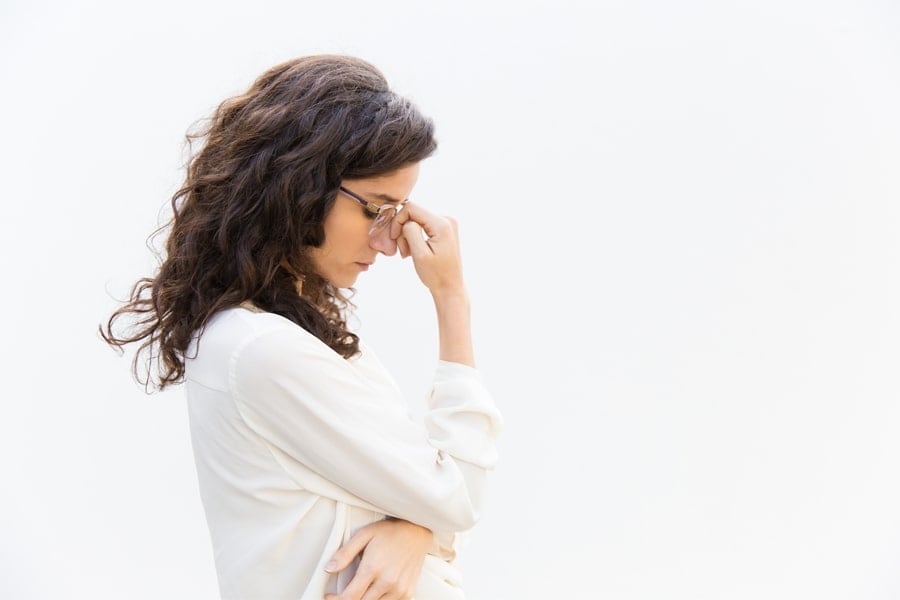
Feeling anxious is not automatically a sign of a mental-health condition.
Anxiety is part of the body’s natural response to uncertainty or potential danger. A student may feel nervous before an exam. A parent may worry while waiting for their child’s medical results. An adult may feel tense before an important interview.
Usually, these reactions settle when the stressful situation passes.
According to Healthdirect’s Australian information about anxiety, anxiety becomes more concerning when it is ongoing, difficult to control or begins affecting everyday life.
Useful questions include:
- How often does anxiety occur?
- How intense does it feel?
- Is the person increasingly avoiding situations?
- Is sleep being affected?
- Is school or work becoming difficult?
- Are relationships changing because of fear or worry?
- Is considerable time spent checking, preparing or seeking reassurance?
In other words, the presence of anxiety matters less than how much it is limiting the person’s life.
Why Anxiety Rarely Has One Cause
Finding one event to blame may be tempting, especially when someone is desperate for answers. However, assessment often looks at several types of influences.
Predisposing factors
These are factors that may create vulnerability.
Examples include:
- family history of anxiety
- temperament
- childhood experiences
- long-standing beliefs
- previous adversity.
Precipitating factors
These help answer, “Why did the anxiety become stronger now?”
Possible triggers include:
- school transitions
- bullying
- relationship breakdown
- illness
- workplace pressure
- bereavement
- a frightening experience
- a panic attack.
Perpetuating factors
These are patterns that may unintentionally keep anxiety going.
They could include:
- avoidance
- repeated reassurance seeking
- disrupted sleep
- chronic stress
- social withdrawal
- excessive checking.
Protective factors
Equally important are the things that help.
Supportive relationships, stable routines, coping skills, enjoyable activities, problem-solving abilities and access to appropriate professional support may all increase resilience.
This approach moves the conversation away from “Whose fault is this?” toward “What is happening, what is maintaining it, and where can change begin?”
Biological Factors in the Biopsychosocial Model of Anxiety
The biological factors of anxiety involve the body, brain and physical processes that affect how a person responds to perceived danger or stress.
1. Genetics and family history
Anxiety can occur more frequently within families. However, having relatives with anxiety does not mean that someone will inevitably develop an anxiety disorder.
Genes can contribute to vulnerability, while life experiences, coping strategies and social circumstances also influence what happens over time.
2. Temperament and sensitivity
Some children appear cautious from an early age. Some adults notice changes in their surroundings very quickly or react strongly to uncertainty.
These differences are not necessarily problems. However, a sensitive temperament combined with stressful experiences or strong avoidance may contribute to difficulties for some people.
3. The body’s alarm response
When danger is detected or perceived, the body prepares for action.
Someone might notice:
- rapid heartbeat
- faster breathing
- sweating
- shaking
- nausea
- muscle tension
- dizziness
- restlessness.
These sensations are genuine physical experiences.
The difficulty can increase when a person becomes frightened by the sensations themselves. A racing heart may lead to the thought, “Something terrible is happening,” which increases fear and makes the heart beat faster.
4. Physical health, sleep and lifestyle
A good assessment may also explore physical health because symptoms such as restlessness, racing heart or sleep disruption do not occur only with anxiety. Medical conditions, medication, hormonal changes, poor sleep, caffeine and other substances may influence how a person feels.
That does not mean lifestyle habits “cause” every anxiety problem. Rather, physical wellbeing is one piece of the wider picture.
Psychological Factors in the Biopsychosocial Model of Anxiety
The psychological factors of anxiety include the way we interpret events, predict danger, manage emotions and respond to uncomfortable situations.
- How we interpret threat
Imagine two people preparing for exactly the same presentation.
- One thinks: “I will probably be nervous, but I know my material and I can get through it.”
- The other thinks: “I will freeze. Everyone will notice. They will think I am incompetent.”
The event is the same. However, the predicted threat is very different.
- Catastrophic thinking
Catastrophising involves moving quickly toward the worst possible interpretation.
For example:
- “My child hasn’t replied, so something terrible must have happened.”
- “I made one mistake, so everyone must think I’m bad at my job.”
- “My heart is racing. I might lose control.”
These predictions can make an uncertain situation feel immediately dangerous.
Difficulty tolerating uncertainty
Some people feel a strong need to know what is going to happen.
As a result, they may:
- repeatedly check
- research for hours
- overprepare
- ask others for reassurance
- replay conversations
- avoid making decisions.
These strategies may briefly reduce discomfort. However, they can also teach the brain that uncertainty is something that must always be controlled.
Avoidance and the anxiety cycle
Avoidance is especially important.
For example, a teenager may avoid giving a presentation because they feel anxious about speaking in front of the class.
Staying home might make them feel better for the moment, but it also means they never get the chance to see that they may have been able to cope. The next time they face a similar situation, the anxiety can feel just as strong, or even stronger.
The Australian Psychological Society’s guidance on anxiety and treatment provides further information on anxiety symptoms and evidence-based psychological support. You can also read this whole-person anxiety framework from Internal Sunshine for more context on how these different influences can fit together.
Social and Environmental Factors That Influence Anxiety
People do not experience mental health separately from the world around them. Relationships, family dynamics, school, employment, finances and culture can all affect stress and perceived safety.
Relevant social influences may include:
- bullying
- friendship difficulties
- family conflict
- school pressure
- academic expectations
- workplace stress
- job insecurity
- financial difficulty
- housing problems
- relationship breakdown
- bereavement
- discrimination
- isolation
- major life transitions.
For a child, for example, moving schools while friendship problems are occurring may substantially increase stress. For an adult, anxiety may worsen during a period involving financial pressure, caring responsibilities and workplace uncertainty.
Parents usually respond to an anxious child because they want to reduce distress. A parent might let a child stay home from an event, repeatedly reassure them that nothing bad will happen, or speak for them in social situations.
These responses come from care. Nevertheless, in some circumstances, they may unintentionally strengthen avoidance. The Australian Institute of Family Studies resource on child mental health discusses the importance of considering children’s difficulties in the wider context of development, family, relationships and environment.
How Do Biological, Psychological and Social Factors Work Together?.
Consider a teenager called Mia.
- Biological: Mia has always been sensitive to stress and is currently sleeping poorly.
- Psychological: She strongly fears making mistakes and interprets one low mark as proof that she is failing.
- Social: Her school environment is competitive and she recently had a disagreement with her closest friend.
Before an exam, Mia feels tired and tense. She interprets these sensations as proof that she cannot cope. She stays home, feels immediate relief and then worries even more about returning the following day.
Which factor caused her anxiety? There is no simple answer.
More importantly, there are several possible opportunities for support: sleep, thinking patterns, avoidance, coping strategies, school pressure and social connection.
This is one reason the model can be so useful in therapy. It creates options instead of searching endlessly for one hidden cause.
What Happens During a Biopsychosocial Assessment?
People considering therapy sometimes worry that an assessment will simply involve being given a label. A comprehensive assessment can involve much more than that.
Depending on the person’s needs, a psychologist may explore:
- what symptoms are occurring
- when they began
- what triggers them
- how anxiety affects daily functioning
- physical health
- sleep
- medication
- family history
- school or work
- past experiences
- current stressors
- thoughts and fears
- avoidance behaviours
- sources of support
- strengths and coping skills.
For children and teenagers, parents may provide information about what they observe at home. With appropriate consent and when relevant, information from school may also help provide a clearer picture.
Assessment, diagnosis and formulation are not identical
Assessment involves gathering and understanding information. Diagnosis where appropriate, considers whether someone’s symptoms fit recognised diagnostic criteria.
Formulation asks a more individual question: Why might this person be struggling in this way, at this time, and what factors may currently be maintaining the difficulty?
That distinction is important. Two people may receive the same diagnosis while needing quite different support.
How Can the Biopsychosocial Model of Anxiety Guide Therapy?
A whole-person understanding does not mean every person needs every available treatment. Instead, therapy can focus on the factors that seem most relevant to the individual.
Psychological support
Depending on clinical needs, psychological therapy may help someone:
- recognise anxious thinking patterns
- respond differently to worry
- gradually approach avoided situations
- build emotional-regulation skills
- increase tolerance of uncertainty
- develop practical coping strategies.
Approaches used for anxiety can include Cognitive Behavioural Therapy (CBT), exposure-based interventions and Acceptance and Commitment Therapy (ACT), depending on the individual and professional assessment.
Biological and physical wellbeing
For some people, treatment planning may also include attention to:
- sleep
- physical activity
- caffeine
- general health
- medical investigation where indicated
- medication discussions with an appropriate medical professional.
Social and environmental support
Sometimes change also needs to happen around the person.
A child may benefit from coordination between parents, psychologist and school. An adult might need to address workplace stress, relationship difficulties or social isolation alongside individual therapy.
In other words, treatment is not necessarily about changing the person while leaving everything around them untouched.
What Should Parents Look For?
Parents frequently notice that something has changed before they understand what it means.
Instead of trying to identify one cause immediately, observe patterns.
Consider:
- When does anxiety usually appear?
- What happens beforehand?
- What does my child think might happen?
- What do they do to feel safer?
- Are certain places or situations being avoided?
- Have sleep patterns changed?
- Are headaches or stomach aches happening at predictable times?
- Is my child asking for reassurance repeatedly?
- Have friendships changed?
- Has something changed at school or home?
- When does my child seem calmer or more confident?
Recording these patterns can provide useful information during an assessment.
It may also reveal that behaviour which appears oppositional, withdrawn or overly dependent is occurring when the child feels overwhelmed.
For further background, parents can refer to Internal Sunshine’s explanation of the whole-person anxiety approach.
When Might Professional Support Help?
Anxiety does not need to reach a crisis before someone asks for help.
Professional support may be worth considering when:
- anxiety continues for an extended period
- worries are increasingly difficult to control
- school attendance is affected
- work becomes difficult
- social activities are being avoided
- sleep is regularly disrupted
- panic symptoms occur
- relationships are suffering
- physical complaints repeatedly accompany worry
- a child’s everyday independence is reducing
- existing coping strategies no longer seem sufficient.
An assessment may not necessarily lead to a diagnosis. Sometimes its immediate value is helping the person and family understand what has been happening and identify practical next steps.
Frequently Asked Questions
1. What are the three parts of the biopsychosocial approach?
The three areas are biological, psychological and social. Rather than viewing them as independent causes, the approach considers how they interact in an individual’s life.
2. What is a simple biopsychosocial example of anxiety?
A child may have a naturally cautious temperament, believe they will embarrass themselves in front of classmates and also be experiencing bullying at school. Biological sensitivity, thoughts and social circumstances may all influence their anxiety.
3. Is anxiety genetic or learned?
Both can matter. Genetics and temperament may contribute to vulnerability, while experiences, learning, thought patterns, behaviour and environmental influences can affect how anxiety develops and continues.
4. Can stress cause anxiety?
Stress can trigger or intensify anxiety, particularly when it occurs alongside other vulnerabilities. Long-lasting stress may also make it more difficult to recover between challenging situations.
5. What is a biopsychosocial formulation?
A formulation is an individual explanation of how relevant biological, psychological and social influences may have contributed to a person’s difficulties and what may currently be maintaining them.
6. How is this approach used in therapy?
It can help a therapist identify useful treatment targets. For one person that might mean reducing avoidance. For another, sleep, family support, school stress, traumatic experiences or unhelpful beliefs may need greater attention.
Understanding the Whole Person Behind the Anxiety
There is rarely a single answer to the question, “Why am I anxious?” or “Why is my child struggling?”
That does not mean there are no answers. It means the answers may sit across several parts of a person’s life.
The Biopsychosocial Model of Anxiety can help parents, patients and therapists move beyond searching for one cause and instead identify the patterns that matter most for that individual. That understanding can make assessment more meaningful and support more personalised treatment planning.
At Internal Sunshine, our psychologists provide evidence-based, holistic support for children, adolescents and adults, with services that include mental-health therapy, counselling and psychological assessments. If anxiety is interfering with your life or your child’s everyday wellbeing, professional support can help you understand what may be happening and consider appropriate next steps.
You do not need to have every answer before asking for support. Visit Internal Sunshine to learn more about our psychology services and book an appointment.