
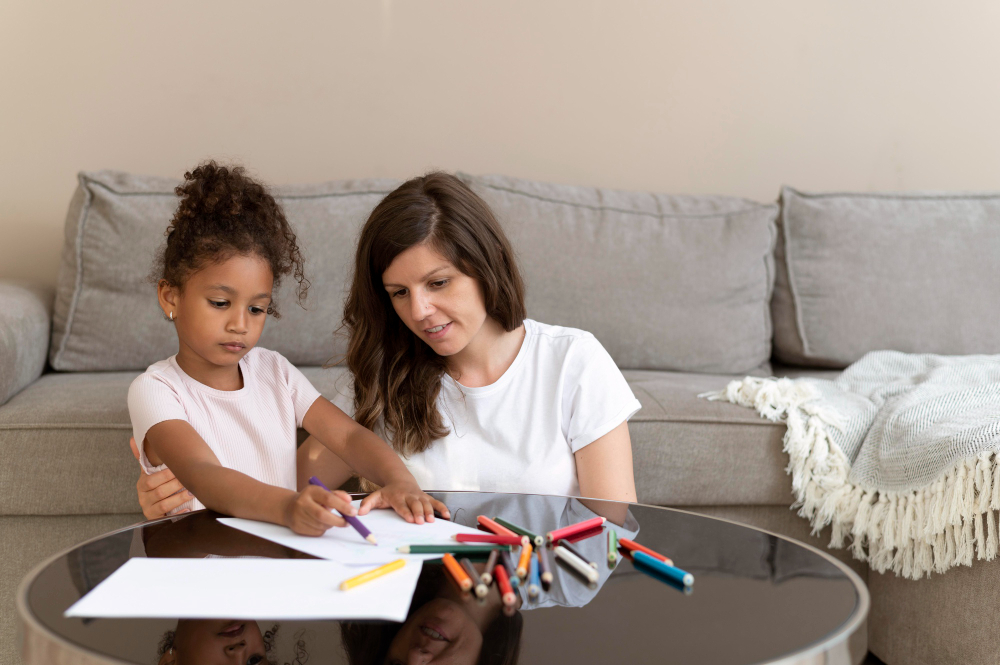
Learning disabilities can affect how a child processes information and they’re often misunderstood. While every child learns differently, some may consistently struggle with reading, writing, or maths, even with regular practice and support. When these challenges persist, it may be more than just a learning curve.
Recognising the early signs of a learning disability is one of the most important things you can do as a parent or teacher. The earlier these signs are identified, the sooner your child can receive the support they need to thrive both academically and emotionally.
Why Learning Disability Early Signs Matter
Early intervention can make a huge difference in a child’s life. Catching learning challenges early helps:
- Prevent long-term academic struggles
- Protect your child’s self-esteem
- Reduce frustration and anxiety
- Create a strong foundation for future learning
When children get the help they need early on, they’re more likely to develop positive feelings about school and learning.
Common Signs by Age
Preschool and Kindergarten (Ages 3–5)
In these early years, some signs of a potential learning disability include:
- Delayed speech or limited vocabulary
- Difficulty learning letters, numbers, colors, or shapes
- Trouble remembering routines or following simple instructions
- Struggling with fine motor skills (like holding a crayon or using scissors)
- Avoiding activities that involve drawing or coloring
It’s normal for young kids to learn at different speeds, but if delays are significant or persistent, it may be worth looking deeper.
Early Elementary (Ages 6–8)
When kids start formal schooling, new challenges can reveal learning difficulties. Signs might include:
- Struggling to read simple words or sounding them out
- Trouble understanding basic math concepts like counting or adding
- Mixing up similar-looking letters (like b and d)
- Avoiding reading or writing tasks
- Difficulty paying attention or staying focused on assignments
A child who dreads homework or gets anxious before school may be experiencing more than just normal nerves.
Upper Elementary and Beyond (Ages 9+)
As academic demands grow, learning disabilities may become even more noticeable. Watch for:
- Very slow reading and writing compared to peers
- Frequent spelling mistakes and poor written expression
- Trouble understanding what they read
- Difficulty following multi-step instructions
- Problems with math word problems and abstract concepts
- Low self-confidence or acting out to hide frustrations
Older children might start to withdraw socially or show behavioral changes as they struggle to keep up.
Behavioral and Emotional Signs
Not all signs are academic. Learning disabilities can also show up as:
- Frequent frustration or emotional meltdowns during homework
- Avoiding school or specific subjects
- Low self-esteem and lack of confidence
- Social withdrawal or difficulty making friends
Sometimes children act out simply because they can’t express how hard learning feels for them.
When to Seek Professional Learning Disability Help
If you notice these signs over time, it’s a good idea to:
- Talk to your child’s teacher to see what they observe in class
- Speak with your pediatrician for guidance
- Request an evaluation from an educational psychologist or specialist
A formal assessment can help determine if a learning disability is present and guide next steps. From there, children may qualify for extra support, such as an Individualized Education Program (IEP) or a 504 Plan.
How to Support Your Child’s Learning Disability at Home
While waiting for or starting professional support, there are ways to help at home:
- Celebrate small successes to build confidence
- Break tasks into smaller, manageable steps
- Create a consistent, calm study environment
- Use visual aids, checklists, or hands-on tools
- Reassure your child that everyone learns differently, and that’s okay
Your support and encouragement can make all the difference.
Conclusion
Spotting the signs of learning disabilities in children isn’t about labeling your child, it’s about understanding them better so they can get the help they need. Trust your instincts. If something feels off, don’t wait to seek advice.
With the right support and love, children with learning disabilities can build on their strengths, overcome challenges, and thrive.
Have questions or need support? Give us a call on 9100 4588. We have clinics in Malvern East and Beaconsfield, and we’re here to help.
Discover holistic healing and wellness services at Internal Sunshine for a brighter, healthier you.
FAQs
What are early signs of a learning disability?
Struggles with reading, writing, math, following instructions, or social skills that persist over time despite help can be early signs.
At what age can learning disabilities be detected?
Some signs appear as early as preschool (around age 3–5), but most are recognized when children start formal schooling.
Do learning disabilities affect behavior?
Yes. Children may show frustration, low confidence, avoid schoolwork, or have social difficulties.
Should I wait before seeking help for my child?
No. Early intervention is key. If you have concerns, it’s best to talk to teachers or a specialist as soon as possible.
How are learning disabilities diagnosed?
Through evaluations by educational psychologists and specialists, including academic tests, cognitive assessments, and observations