
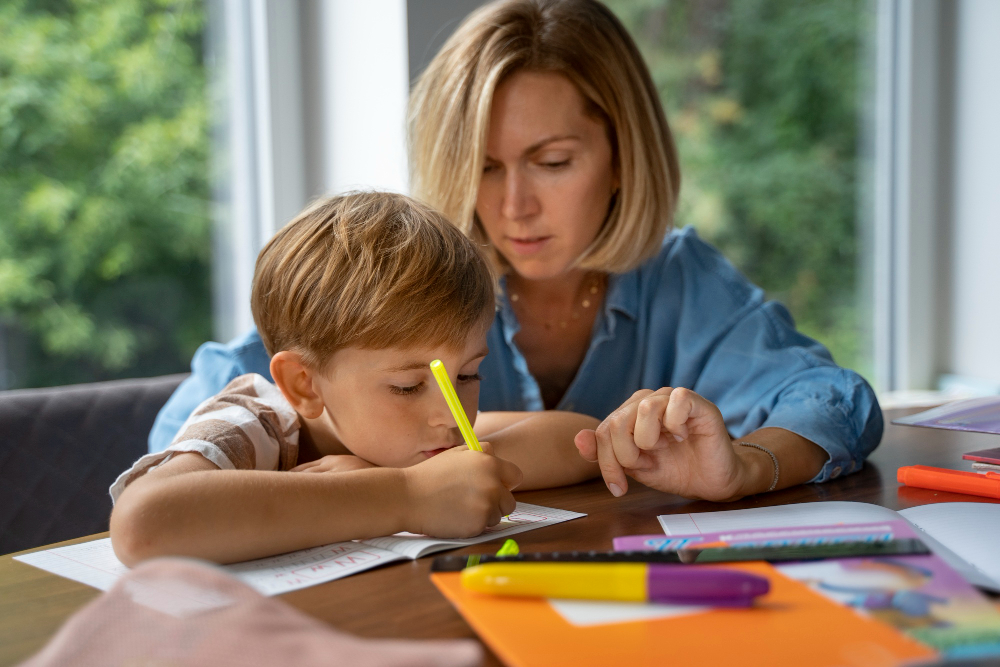
When your child is diagnosed with a learning disability, it can feel overwhelming. You may wonder how best to help them and how to make learning at home less stressful and more effective. The good news? You don’t have to be an expert to make a big difference. With patience, creativity, and understanding, you can create a supportive environment where your child can thrive.
Understand Your Child’s Unique Learning Needs
Every child with a learning disability is different. Some struggle with reading, others with math, writing, or focus. Understanding your child’s specific challenges is the first step to offering meaningful support.
Consider their preferred learning style:
- Visual learners do best with pictures, charts, and color-coded notes.
- Auditory learners absorb information better when they hear it spoken aloud.
- Kinesthetic learners need movement, hands-on activities, and physical engagement.
Create a Supportive and Structured Learning Environment
Children with learning disabilities often benefit from clear routines and calm, distraction-free spaces. Here’s how to create one at home:
- Designate a quiet area just for studying and homework.
- Keep the workspace organized with necessary supplies easily accessible.
- Use a daily schedule or visual planner to help them understand what to expect.
- Reduce distractions like TV, smartphones, or loud noises.
A predictable environment helps your child feel secure and more prepared to focus.
Use Tools and Strategies That Work for Learning Disability Supporting your child at home often means finding creative ways to make learning accessible and enjoyable.
- Visual aids: Use charts, diagrams, and graphic organizers.
- Assistive technology: Consider text-to-speech software, audiobooks, or apps that reinforce spelling and math.
- Break tasks into steps: Large assignments can feel overwhelming; breaking them into smaller chunks makes them more manageable.
- Use timers and breaks: Encourage short work sessions followed by breaks to help maintain focus.
- Hands-on activities: For kinesthetic learners, incorporate movement and tactile tools like letter tiles or counting blocks.
Experiment and see what feels right,every child’s brain works differently!
Focus on Building Confidence and Motivation
Children with learning disabilities often face self doubt and frustration. Building confidence is just as important as academic skills.
- Celebrate every effort and small victory, not just correct answers.
- Avoid comparing your child to siblings or classmates — focus on their personal growth.
- Encourage self-advocacy by letting them express what helps them learn best.
When kids feel confident, they’re more likely to take on challenges and persevere.
Support Emotional and Social Well-being
Academic struggles can take an emotional toll. Help your child feel understood and supported:
- Validate their feelings of frustration or anxiety.
- Teach simple mindfulness or relaxation techniques.
- Encourage activities that highlight their strengths, like music, art, or sports.
- Foster positive social interactions by arranging playdates or group activities with supportive peers.
A strong emotional foundation will help your child approach learning with a healthier mindset.
Work Closely with Teachers and Specialists
Consistent communication with your child’s school team is vital. Share what strategies are working at home and ask about classroom approaches that might translate to home learning.
When home and school efforts align, your child benefits from a more unified support system.
When to Seek Learning Disability Help
Sometimes, additional support beyond what you can provide at home is necessary. Consider:
- Hiring an educational therapist or specialised tutor.
- Consulting a counselor if emotional struggles persist.
- Joining a local or online parent support group to share experiences and gain new ideas.
Seeking help is a sign of strength and dedication, not failure.
Conclusion
Supporting your child with a learning disability at home isn’t about doing everything perfectly — it’s about creating a safe, encouraging environment where they can learn in their own way. With love, patience, and the right tools, you can help them build confidence and succeed both academically and emotionally.
Remember: You’re not alone. By taking small, steady steps and staying connected with your child’s school team, you’re already making a huge positive impact on their life.
Have questions or need support? Give us a call on 9100 4588. We have clinics in Malvern East and Beaconsfield, and we’re here to help.
Discover holistic healing and wellness services at Internal Sunshine for a brighter, healthier you.
FAQs
Create a structured environment, use visual aids or assistive technology, celebrate small successes, and maintain open communication with teachers.
Hands-on activities, art projects, music, puzzles, and movement-based learning games can all support their skills and boost confidence.
Focus on their interests, celebrate effort over results, set achievable goals, and offer plenty of encouragement.
Checklists, timers, graphic organisers, audiobooks, and educational apps can make homework less overwhelming and more engaging.
Listen to their feelings, validate their emotions, encourage strengths, and involve them in activities where they feel successful.